Organized by: IQAC & Eco Club
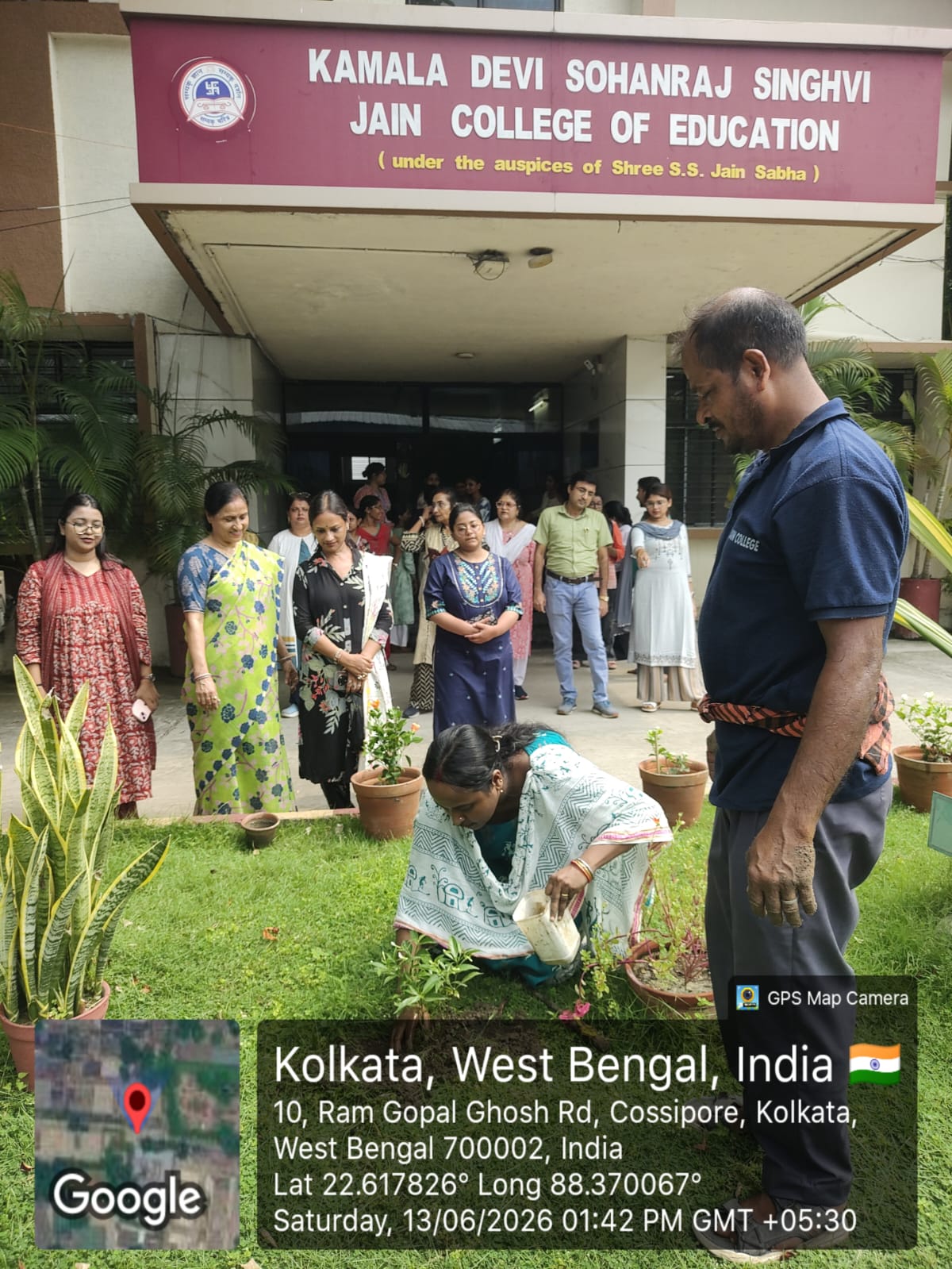
Institution: Kamala Devi Sohanraj Singhvi Jain College of Education
Occasion: World Environment Day
Date: 13.06.2026
“Rooted in Learning, Growing for Tomorrow: One Sapling at a Time.”
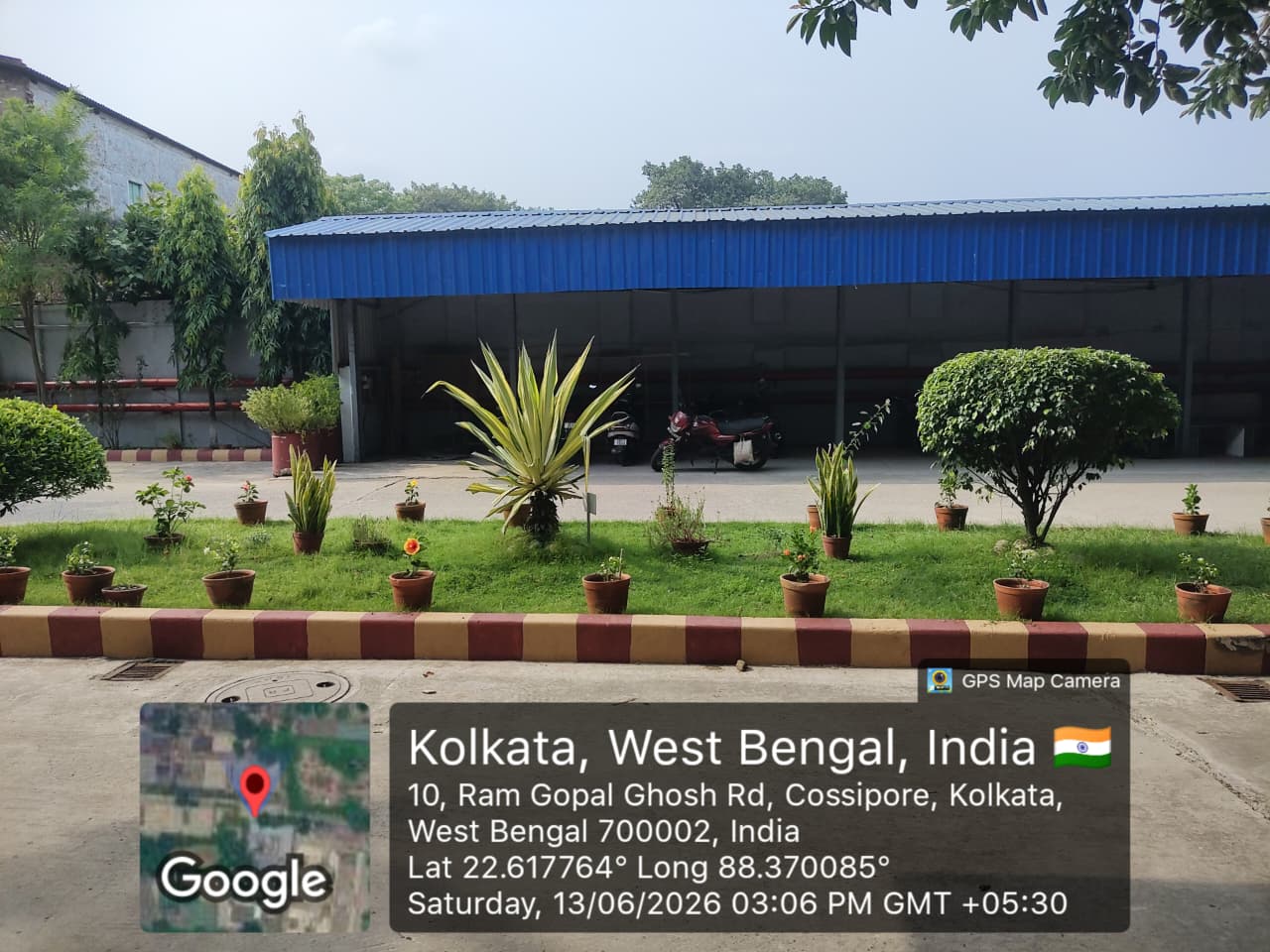
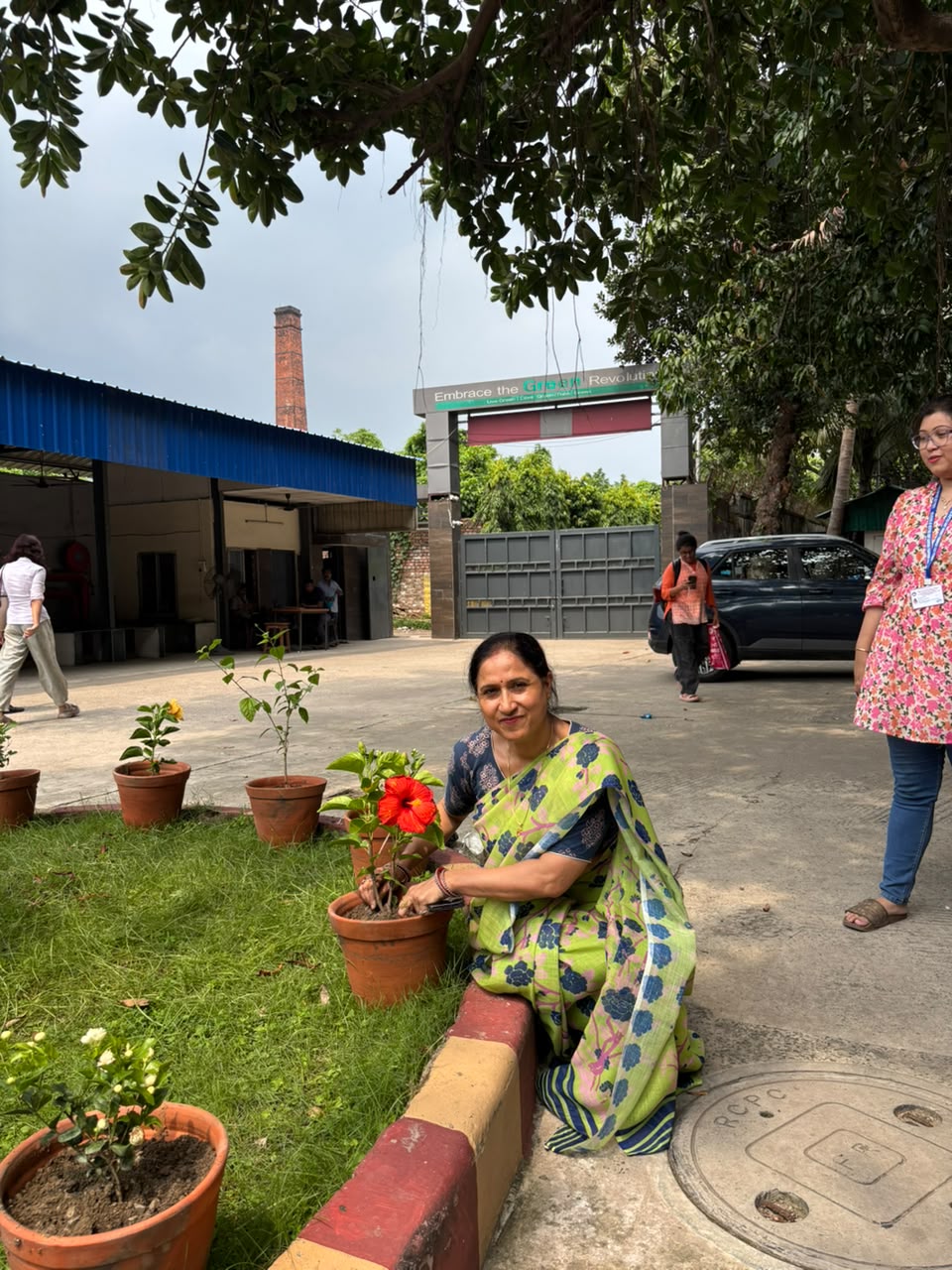
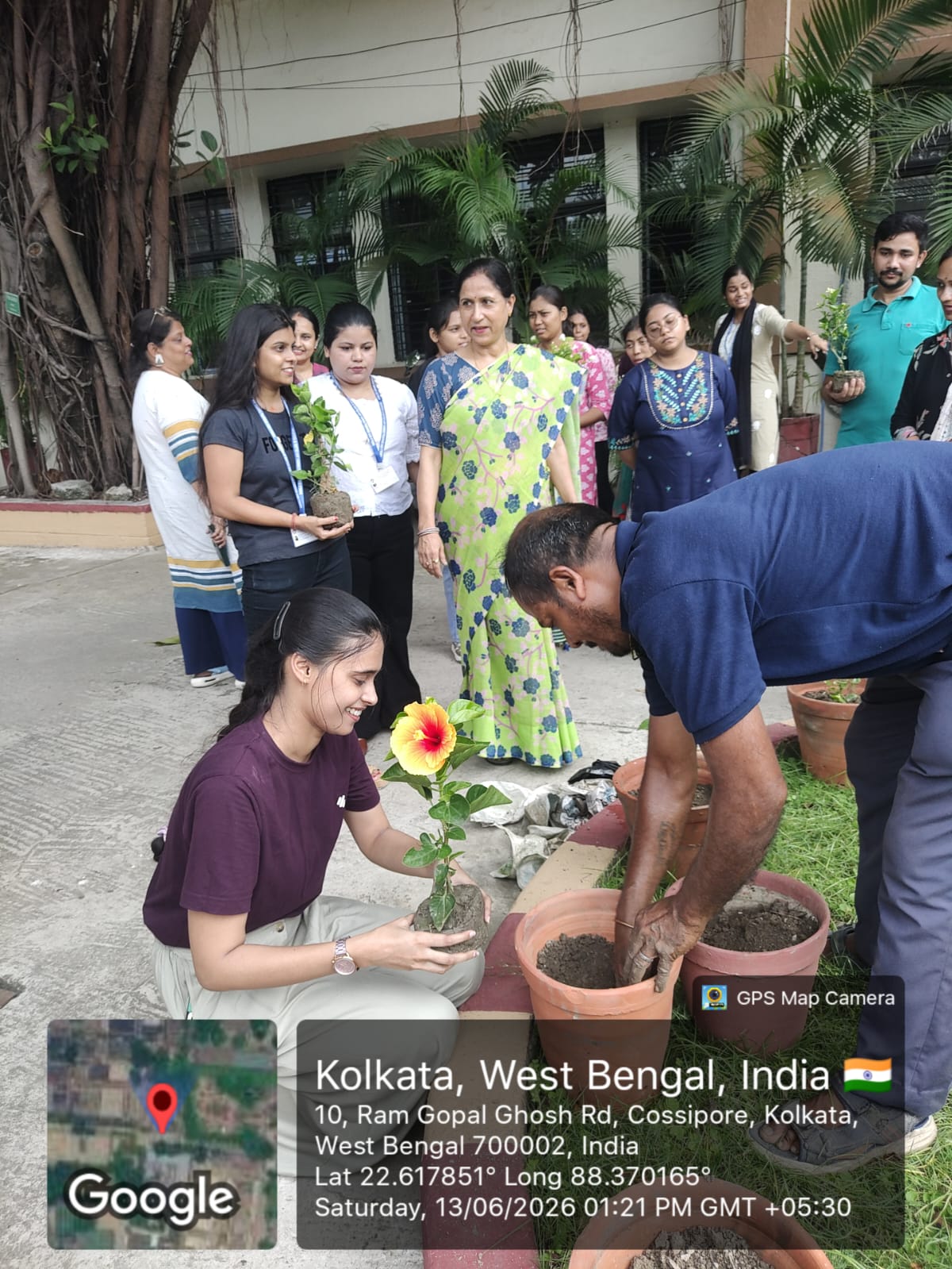
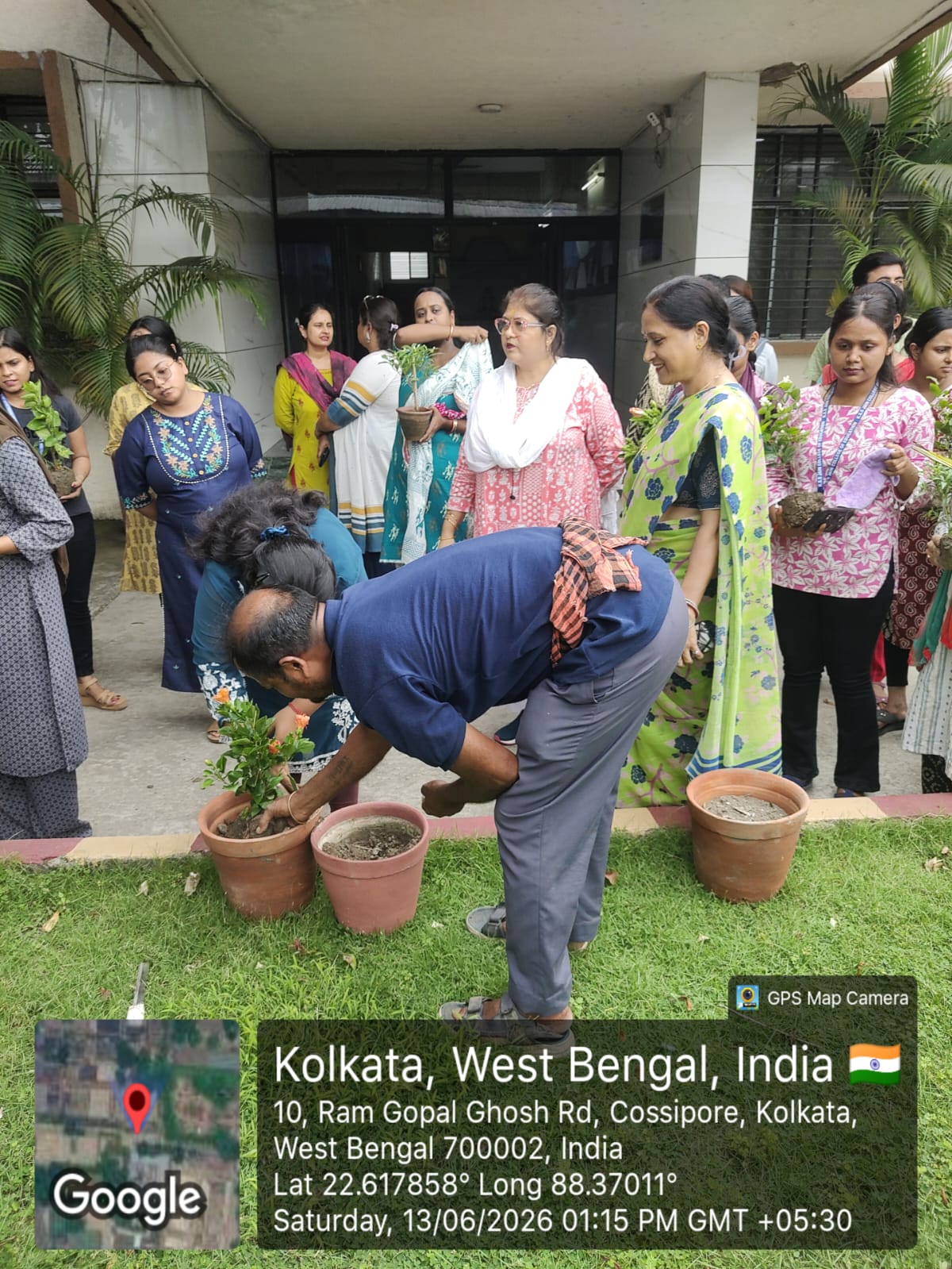
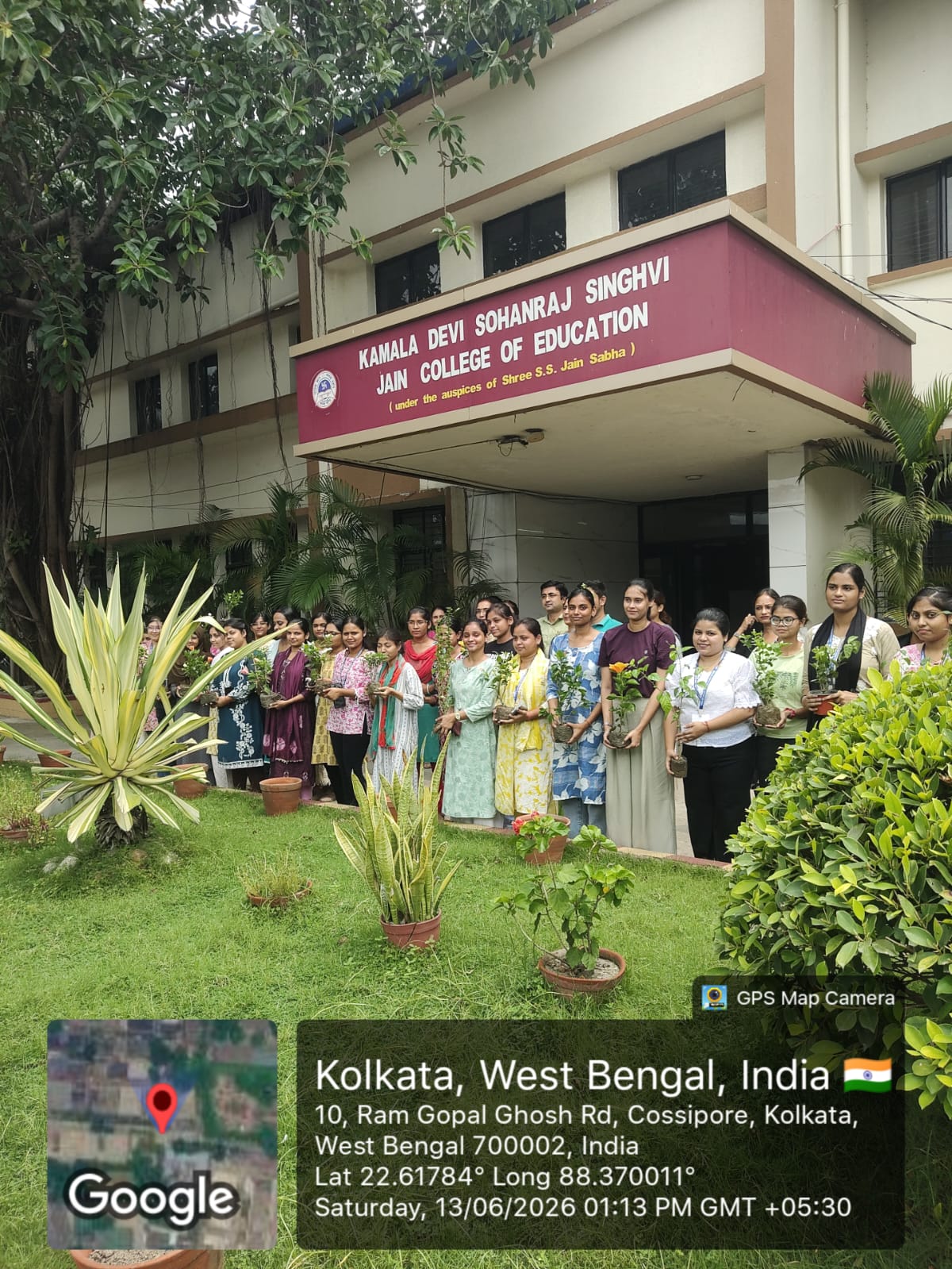
To commemorate World Environment Day, the IQAC and Eco Club organized a Sapling Plantation Drive on the college campus. The initiative aimed to foster environmental consciousness, promote biodiversity, and encourage sustainable habits among future educators.
Participation & Contributions
Students from Semesters 1 and 4, Students of D. El. Ed alongside faculty members, enthusiastically participated by bringing and planting a diverse range of plant species.
Contribution from college
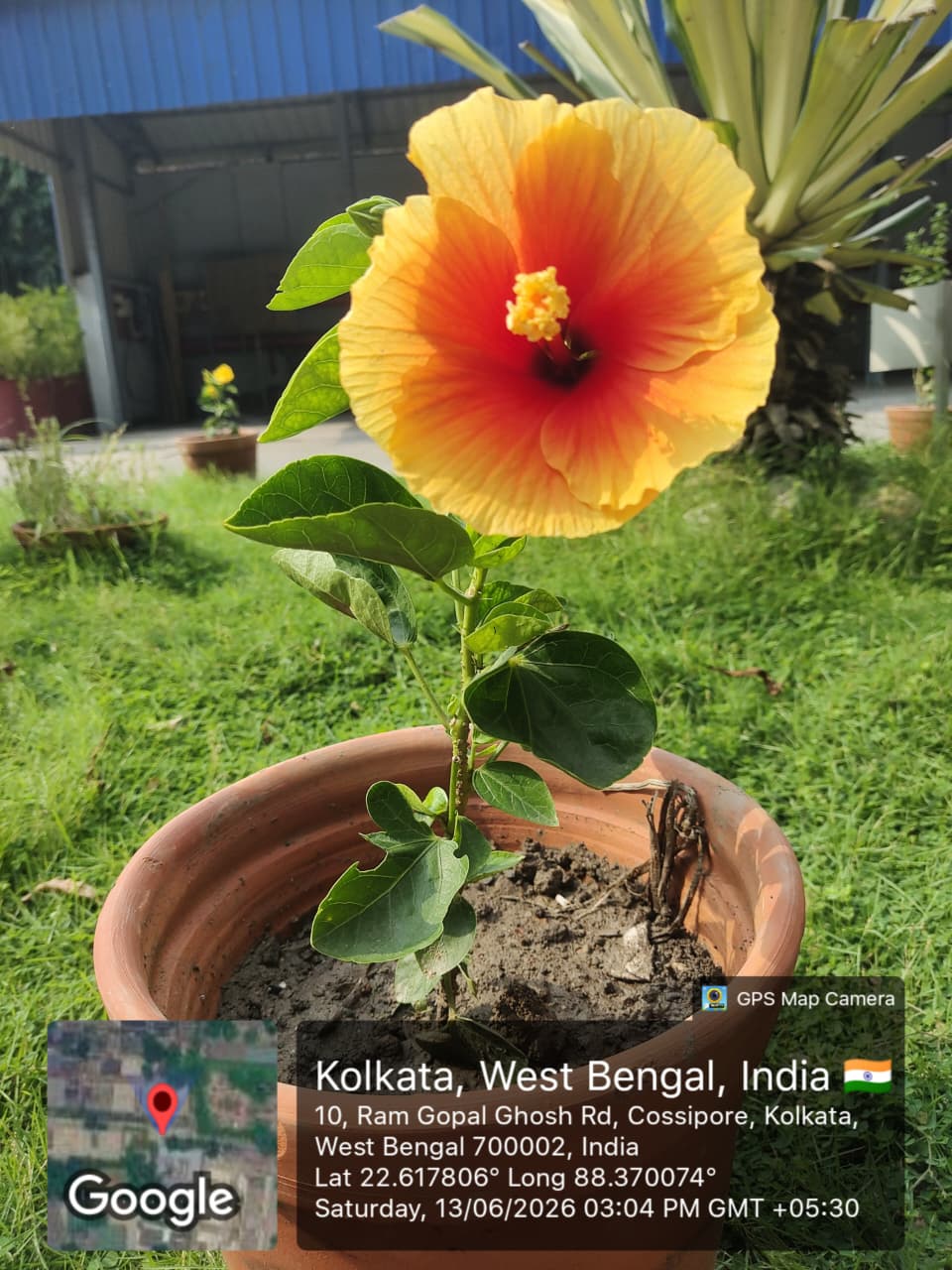
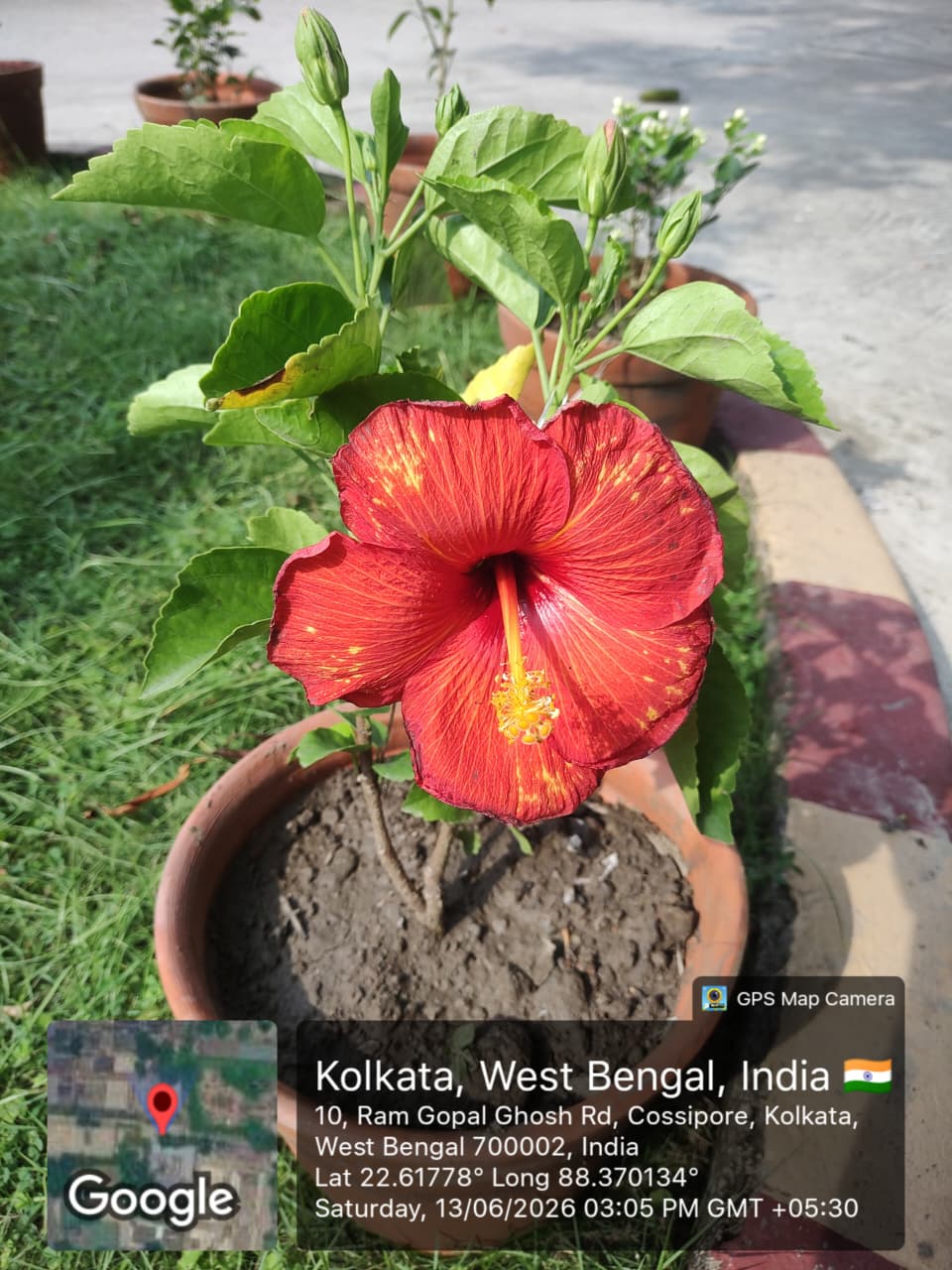
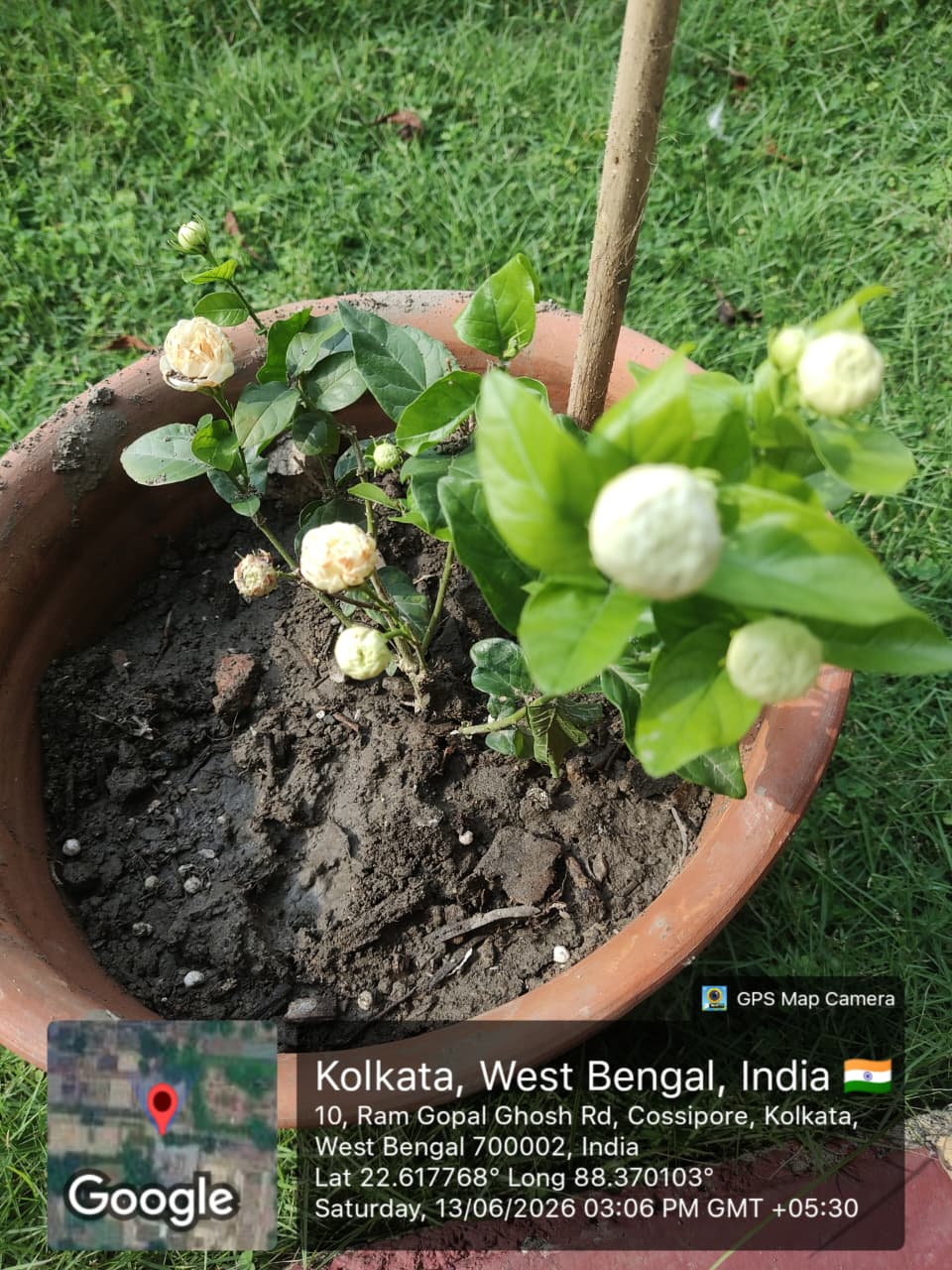
6 Bel flower saplings, 2 Jasmine saplings, 6 Hibiscus Saplings and 2 Motibel Saplings.
Participants of Semester IV (2024-26):
Simran Biswas: Nayantara flower
Aditi Roy: Togor plant
Arusha Paul: Bougainvillea & Madhabilata
Barsha Sahoo: Pinwheel flower
Sanjana Singh: Papaya plant
Participants of Semester I(2025-27):
Rinki Mahato: White hibiscus
Anjali Tiwari: Red hibiscus
Afsana Parveen: Jasmine
Varsha Singh: White hibiscus
Nidhi Kumari Singh: Pink hibiscus
Participants form D.El.Ed (1st Year)
Ankita das Sapling- Pinewheel flower
Highlights:
Ecological Diversity: The mix of flowering plants, ornamental climbers, and fruit-bearing flora structurally enhances the campus micro-ecosystem and attracts local pollinators.
Civic Responsibility: By investing their own time and resources, students gained tangible, emotional ownership over environmental conservation, moving it from textbook theory to lived experience.
The drive successfully expanded the campus’s green footprint, serving as a lasting legacy of the students’ commitment to a sustainable planet.